
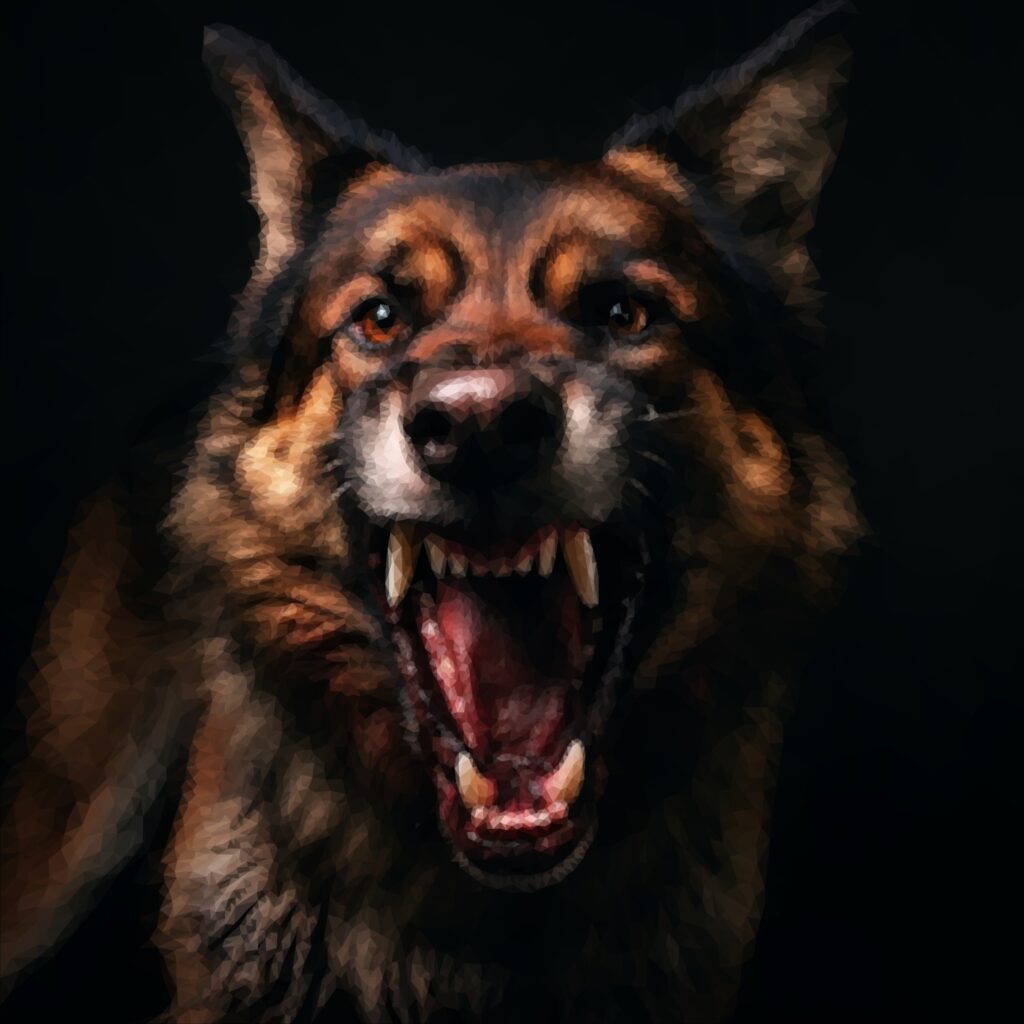
Animal cruelty charges are among the most serious offenses involving animals under Oklahoma law. Many people assume these cases result only in warnings or small fines, but that is often far from reality. In Tahlequah and throughout Cherokee County, allegations involving the mistreatment, neglect, or abuse of animals can lead to criminal prosecution, significant financial penalties, and even incarceration. Depending upon the facts of the case, a person accused of animal cruelty may face either county jail time or a felony conviction carrying the possibility of imprisonment in the state penitentiary.
To see this article as a video, click here.
Animal Cruelty Involves More Than Intentional Abuse
Many people think animal cruelty only occurs when someone intentionally injures an animal. Oklahoma law is much broader. Criminal allegations can arise from claims that an animal was deprived of adequate food, water, shelter, veterinary care, or other necessities required for its health and well-being.
As a result, some cases involve allegations of deliberate harm, while others stem from claims of neglect, poor living conditions, untreated medical problems, or inadequate care. The circumstances surrounding the animal’s condition often become the central focus of the investigation.
Jail Time Is a Real Possibility
One of the most common questions individuals ask after facing charges is whether they can actually go to jail. The answer is yes.
The severity of the punishment depends on numerous factors, including the nature of the alleged conduct, whether the animal suffered serious injury, the number of animals involved, and whether the accused has a prior criminal history. Cases involving repeated abuse, extreme neglect, or allegations that an animal suffered unnecessarily are often prosecuted more aggressively than isolated incidents involving minor injuries or misunderstandings.
Judges have significant discretion during sentencing and may impose incarceration, probation, fines, community service, counseling requirements, or a combination of penalties depending on the facts presented.
Investigations Often Begin With a Complaint
Animal cruelty investigations frequently begin when a neighbor, veterinarian, animal control officer, or concerned citizen reports suspected mistreatment. After someone makes a complaint, law enforcement officers may conduct interviews, inspect property, photograph animals, review veterinary records, and gather witness statements.
In many cases, investigators attempt to document the animals’ condition and determine whether adequate care was being provided. What begins as a welfare check can quickly evolve into a criminal case if authorities believe there is sufficient evidence to support prosecution.
Authorities May Remove Animals During the Case
One consequence many people do not anticipate is the possibility that animals may be seized while the investigation is pending. Depending on the allegations, authorities may remove pets, livestock, or other animals from the property.
For many families, the loss of animals can be emotionally devastating and financially significant, particularly when livestock, breeding animals, or working animals are involved. The outcome of the criminal case may also affect the owner’s ability to regain possession of the animals in the future.
Every Case Has Defenses
Accusations of cruelty to animals does not automatically mean a person is guilty. Many cases involve disputed facts, misunderstandings, or differing opinions regarding the proper care of an animal.
For example, the defense may challenge whether the accused actually owned or controlled the animal, whether the animal’s condition resulted from illness rather than neglect, whether investigators accurately documented the circumstances, or whether the prosecution can prove criminal intent. In some situations, expert veterinary testimony may become critical to determining what actually occurred.
Because every case is unique, a thorough review of the evidence is essential before reaching conclusions about the strength of the prosecution’s case.
A Conviction Can Affect More Than Criminal Penalties
Beyond potential jail time, an animal cruelty conviction can have lasting effects on a person’s life. A criminal record may affect employment opportunities, professional licenses, housing applications, and reputation within the community. In agricultural communities and rural areas, allegations involving animals can be particularly damaging because they often affect both personal and professional relationships.
For that reason, individuals should take these accusations seriously from the very beginning rather than assuming the matter will simply go away.
Kania’s Tahlequah Criminal Defense Lawyers Can Help
Cases involving cruelty to animals often involve emotional allegations, expert testimony, photographs, veterinary records, and detailed investigations. Early legal representation can help protect your rights, preserve evidence, and ensure the court hears your side of the story. If you’re facing accusations of animal cruelty in Tahlequah, speaking with an experienced criminal defense attorney as early as possible may significantly impact the outcome of your case. Get a free consultation with a criminal defense attorney at Kania Law – Tahlequah Lawyers by calling 539-867-2321. Or you can follow this link to ask an online legal question.