
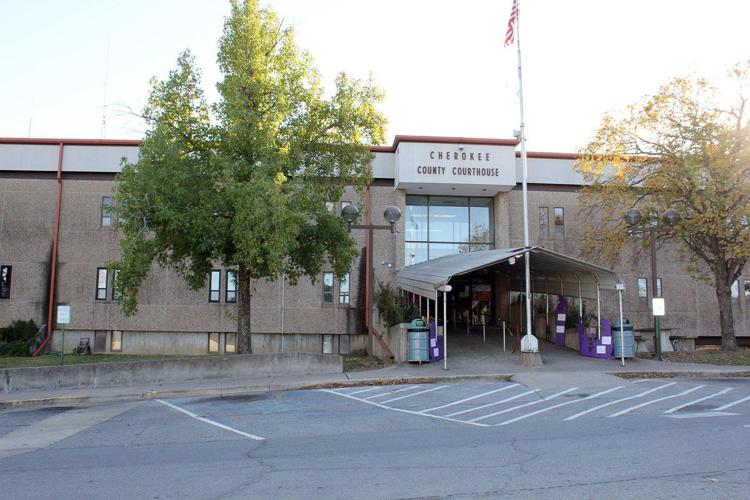
Tribal sovereignty is a foundational principle of federal law that recognizes Native American tribes as distinct, self-governing nations. For residents of Cherokee County, Oklahoma, tribal sovereignty plays an important role in how certain legal cases are handled, especially following recent court decisions that reaffirmed tribal jurisdiction in Eastern Oklahoma.
What Is Tribal Sovereignty?
Tribal sovereignty means that federally recognized tribes, like the Cherokee Nation, have the inherent authority to govern themselves. This includes:
- Creating and enforcing tribal laws.
- Operating their own courts and police departments.
- Managing tribal lands and resources.
- Regulating matters involving tribal citizens.
While tribes maintain sovereignty, they also have a government-to-government relationship with the United States, which means state and federal laws still play a role in certain areas.
How Tribal Sovereignty Impacts Cherokee County
Cherokee County lies within the boundaries of the historic Cherokee Nation Reservation. In McGirt v. Oklahoma (2020), the U.S. Supreme Court ruled that reservations in Eastern Oklahoma had never been disestablished. As a result, tribal sovereignty impacts criminal and civil cases in unique ways:
1. Criminal Jurisdiction
- If either the defendant or victim is a tribal citizen and the crime occurs on reservation land, the case may fall under tribal or federal jurisdiction, not state court.
- Tribal courts handle certain crimes involving tribal citizens, while serious felonies may go to federal court.
2. Civil Jurisdiction
- Some disputes involving tribal lands, businesses, or contracts may need to go through tribal courts rather than state courts.
- Cases involving non-tribal citizens may still fall under state jurisdiction, depending on the subject matter.
3. Family Law Cases
- Child custody, adoption, and guardianship involving Native American children are often subject to federal laws like the Indian Child Welfare Act (ICWA), which prioritizes tribal involvement and placement within tribal families when possible.
Why This Matters for Residents and Businesses
For residents, knowing whether a case belongs in tribal, federal, or state court is crucial. Businesses working with the Cherokee Nation or tribal citizens may also be subject to tribal regulations and contract provisions governed by tribal law.
Attorneys practicing in Cherokee County must understand how courts determine jurisdiction and how tribal laws interact with state and federal laws to effectively represent their clients.
Do You Need an Attorney Experienced in Tribal Law?
Cases involving tribal sovereignty can be complicated because they may require knowledge of tribal codes, federal Indian law, and state law all at once. If your case involves:
- A crime on tribal land,
- A civil dispute involving tribal entities or members, or
- Child custody or adoption involving Native American children,
you should seek legal guidance from someone experienced in handling cases that cross multiple jurisdictions.
Tahlequah Tribal Law Attorneys
Tribal sovereignty plays a major role in shaping how cases are handled in Cherokee County, especially when tribal citizens, tribal lands, or tribal interests are involved. Understanding how this principle affects jurisdiction can help you know where your case belongs and what laws apply. Our team at Tahlequah Lawyers is here to guide you. Call 539-867-2321 today for a free and confidential consultation with one of our tribal law attorneys, or click here to ask your question online.